Sign the prenup while you still like each other
Lessons in money and independence from my mother’s and grandmother’s generation
Where I grew up in Moldova, every home had a glass cabinet. Inside lived the good plates and the crystal glasses, displayed like museum exhibits: beautiful and strictly not for touching. They came out for weddings, christenings and very special occasions.
Along with the plates, I inherited a set of phrases I heard from the women around me growing up. Here’s a selection, lovingly preserved:
– “At least he doesn’t hit me and doesn’t take money from the house.”
– “If I don’t give in, there will be a fight.”
– “I don’t want to go. I’ll just say that my child is sick. A small lie never hurt anyone.”
– “How can I not go? How can I not do it? What will people say?”
– “We have guests today. Go and get out the good plates and the crystal glasses.”
– “I don’t tell my children when something hurts. I don’t want to be a burden.”
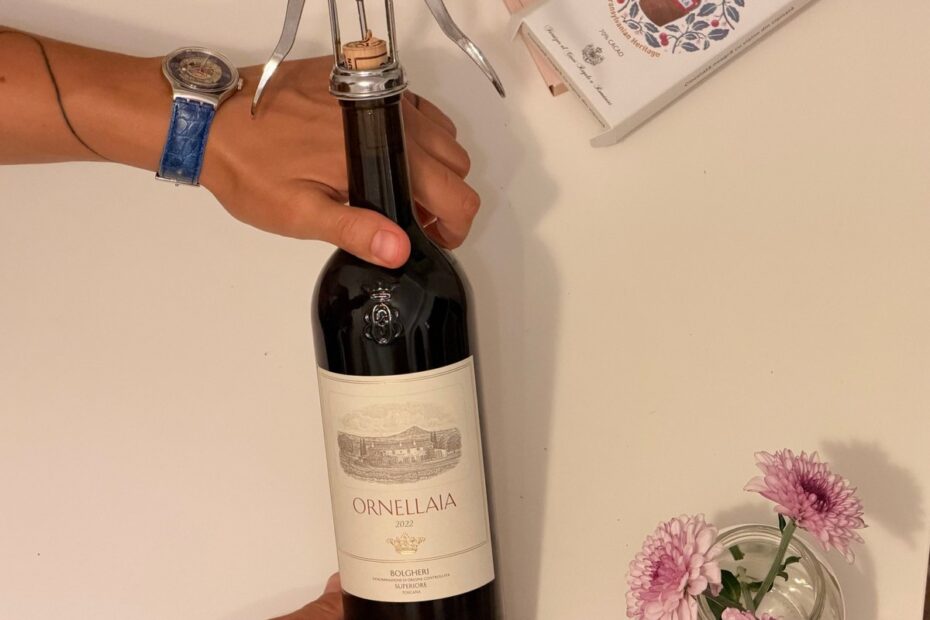
– And the classic: “Why would you open that expensive bottle of wine? There’s no special occasion. Is it worth it?”
As a numbers person, I can’t read that list without seeing a financial strategy in it: keep the best for others, don’t spend on yourself, and accept the minimum, as long as it isn’t a loss.
The first quote alone sets a bar so low you need a shovel to find it. “At least he doesn’t hit me” isn’t a quality in a husband. It’s just the absence of a crime.
The next generation sets the table
Today I look at the women around me and see a very different balance sheet.
Friend #1 bought an apartment and set a condition for her husband: a marital agreement stating that, in case of separation, the property is hers alone. To her grandmother’s generation, “at least he doesn’t take money from the family budget” was the standard. My friend made sure the house is legally hers.
I’ll be honest: I wasn’t that friend. When I got married at 25, I didn’t sign a prenup. It felt unnecessary. Years later, as my marriage was ending, I found myself trying to convince my ex-partner to sign a særeje agreement before we split the profit from the last house we sold.
Negotiating a marital agreement at the end of a marriage is like trying to buy travel insurance from inside the plane while it’s going down.
So here’s my advice, learned the personal way: sign the paperwork while you still like each other. In Denmark, that means talking to a lawyer about an ægtepagt establishing særeje (separate property). It’s the least romantic document a couple can sign, and one of the most valuable.
Friend #2 is building a startup she believes will help save the planet. Her father’s review: “At 33, you should have a normal job.” Meanwhile, she delivers for Glovo and teaches English, with a very clear strategy: fund her own runway so she can keep as much equity as possible. Every food delivery is one less share given to an investor.
In finance, that’s called bootstrapping. In her father’s terms, it’s called “not a normal job”. Both are technically correct, but only one ends with her owning the company.
Friend #3 dropped out of university with one semester left. The family reaction could be heard from 7 floors down: “How can you not finish?!” Fast-forward: she completed a different degree and now works as a chemist-biologist. In accounting, that first degree is called a sunk cost. Money and time already spent are never a good reason to keep walking in the wrong direction.
Friend #4 no longer found herself in accounting (I’m choosing not to take that personally) and decided to change careers. People immediately calculated her losses: “After all those years of experience?” She ran a different calculation. Today she’s in her second year of psychology, at 45, and the only thing she regrets is not starting sooner.
Same strength, different operating system
Our mothers and grandmothers were not weaker than us. If anything, they were stronger. They raised children, ran entire households, survived several economic crises, and could roll more sarmale in one evening than there are characters in this article.
 Our grandmothers’ KPIs: raise 4 kids and roll 257 sarmale before bedtime.
They simply ran on a different operating system, written in two commands: “Don’t bother anyone” and “What will people say?”
The current generation is running an update, slowly and sometimes nervously, with plenty of bugs. The new version adds 3 questions they rarely allowed themselves:
What is mine? What do I want? What do I deserve?
These aren’t just emotional questions. They’re the foundation of financial independence: knowing whose name is on the property, building income around your own plans instead of other people’s expectations, and budgeting for your own life, not just for the “special occasion” that somehow never arrives.
The occasion
Today is an ordinary Wednesday. There’s no wedding, no christening, no guests. I opened a bottle of wine my mother would have saved “for a very special occasion.”
So if you’re wondering whether you deserve the good wine on a random day, check your calendar. If it says “today”, you do.
To the women who kept the best for everyone else, so that we could learn to keep some for ourselves: thank you.
If you’re building something of your own, a company, a property portfolio or a startup, get in touch. I’ll keep your books clean, your taxes right, and your ownership crystal clear. Like the glasses, but in use.
Cheers,
Irina